

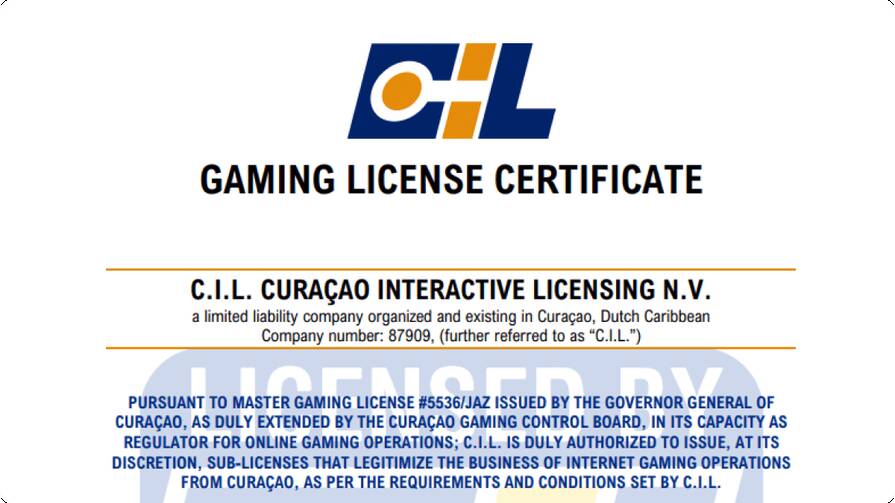
Curaçao Interactive Licensing N.V. was one of the main regulators of online gambling on the island of Curaçao for quite some time. The company operated under master license 5536/JAZ, which allowed it to issue sublicenses to hundreds of operators worldwide. Thanks to simple requirements and minimal taxes, thousands of brands were able to quickly launch online casinos or poker rooms.
How the Licensing System Worked
The process used to begin with the registration of a company in Curaçao, followed by the submission of documentation detailing the corporate structure and full ownership chain, along with financial guarantees and IT certifications. Operators were required to:
- Certify the random number generator (RNG*)
- Publish the return to player percentages (RTP*)
- Implement AML* and KYC* standards
- Comply with Responsible Gambling* policies
After an internal review, the brand was issued a sublicense that covered casinos, sports betting, and other forms of gambling, provided the platform passed regular audits.
*RNG – Random number generator
*RTP – Return to player
*AML – Anti-money laundering
*KYC – Know your customer
*Responsible Gambling – Player protection and limitation policies
Statistics and the Market
In 2023, more than 250 brands operated under this license, with a combined annual turnover of approximately $2 to $2.5 billion. The geographic reach of these operators was broad and diverse, covering the CIS, Canada, parts of the EU, Latin America, Asia, and Australia. Servers were not limited to Curaçao itself and were often hosted in modern European Union data centers, allowing many companies to enter regulated markets quickly while maintaining high connection quality for players.
CIL was the first regulator on the island to officially permit betting in Bitcoin, which fueled the rapid growth of crypto casinos. For several years, this jurisdiction became a hub for blockchain gambling startups. An open public database allowed any visitor to verify the validity of a license and the legality of an operator, helping to filter out fraudulent projects.
Turning Point: The LOK Reform and the Transformation of the CGA
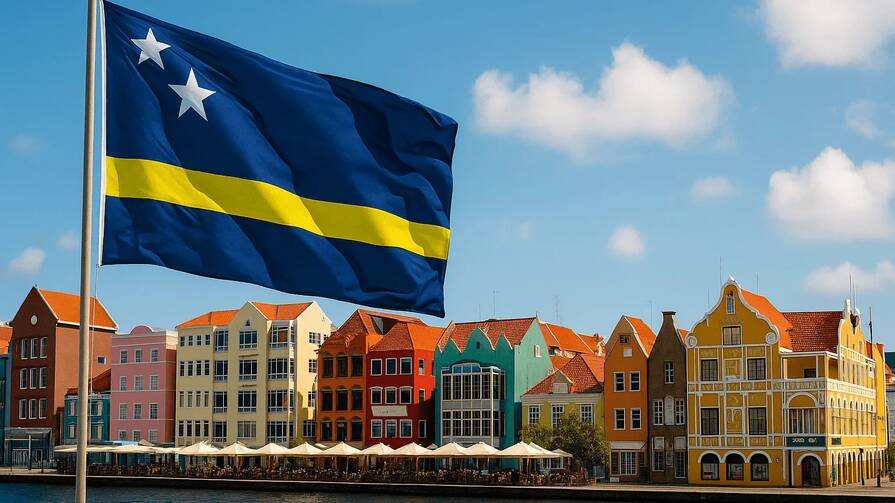
In 2023-2025, Curaçao launched a total regulatory reform. The LOK law was introduced, and a national regulator, the Curaçao Gaming Authority (CGA), was established. All master licenses, including CIL, were revoked on January 31, 2025. Their renewal became impossible, and no new sublicenses are issued. From that point on, only the state regulator is authorized to grant licenses and oversee the market.
The transitional period officially ended on October 15, 2025. Until that date, operators were allowed to migrate their business to the new license format through the CGA. As of October 16, the use of the old CIL branding became illegal, and only the new green CGA seal is permitted. Brands that failed to complete the transition lost the ability to acquire new customers and process payments.
New Rules, Fees and Technologies
The system became fully digital, with all applications submitted through an online portal. Previous discounts and legacy tariffs for small businesses were revoked. Obtaining a license is now a more expensive and technology-driven process. All fees and taxes are paid directly into the national treasury, and payments can even be made in cryptocurrency. The most significant changes affect AML and CTF oversight, as well as the mandatory implementation of ERP systems and financial analytics to ensure transparency. The goAML platform was introduced as a centralized system to combat financial fraud.
There are now two types of licenses: operator licenses (B2C) and service provider licenses (B2B). Each license is issued for one year only and must be renewed annually. Staffing requirements have increased. Each project must employ at least three authorized representatives, and the company must maintain a real, functioning office in Curaçao for a minimum of five years.
Impact on the Market and Players
The new legislation has made entering the online gambling market a much more difficult venture. Some long-standing brands have already shut down operations or moved to jurisdictions with more lenient regulation. Large platforms and serious investors, on the other hand, have benefited: greater transparency and direct government oversight increase player trust and reduce the risk of unpaid winnings. At the same time, the number of gambling operators licensed in Curaçao has decreased (previously around 12,000 companies), but the jurisdiction’s reputation and level of trust have grown significantly.
Conclusion
Curaçao Interactive Licensing (CIL) is now a part of legislative history, an example of an accessible market entry, years of accumulated expertise, and a transition toward global regulation. The experience built over many years of CIL operations became the foundation of the new system, which today meets strict international standards and is recognized by many leading investors in the iGaming industry.
 Curaçao eGaming License
  Kahnawake License
  DGOJ License
  NGC License
  HGC License
  Rating of Online Casinos
  1xSlots Casino Review
  Bonuses at JVSpinBet Casino


